How Roof Flashing Helps Protect Your Home From Leaks
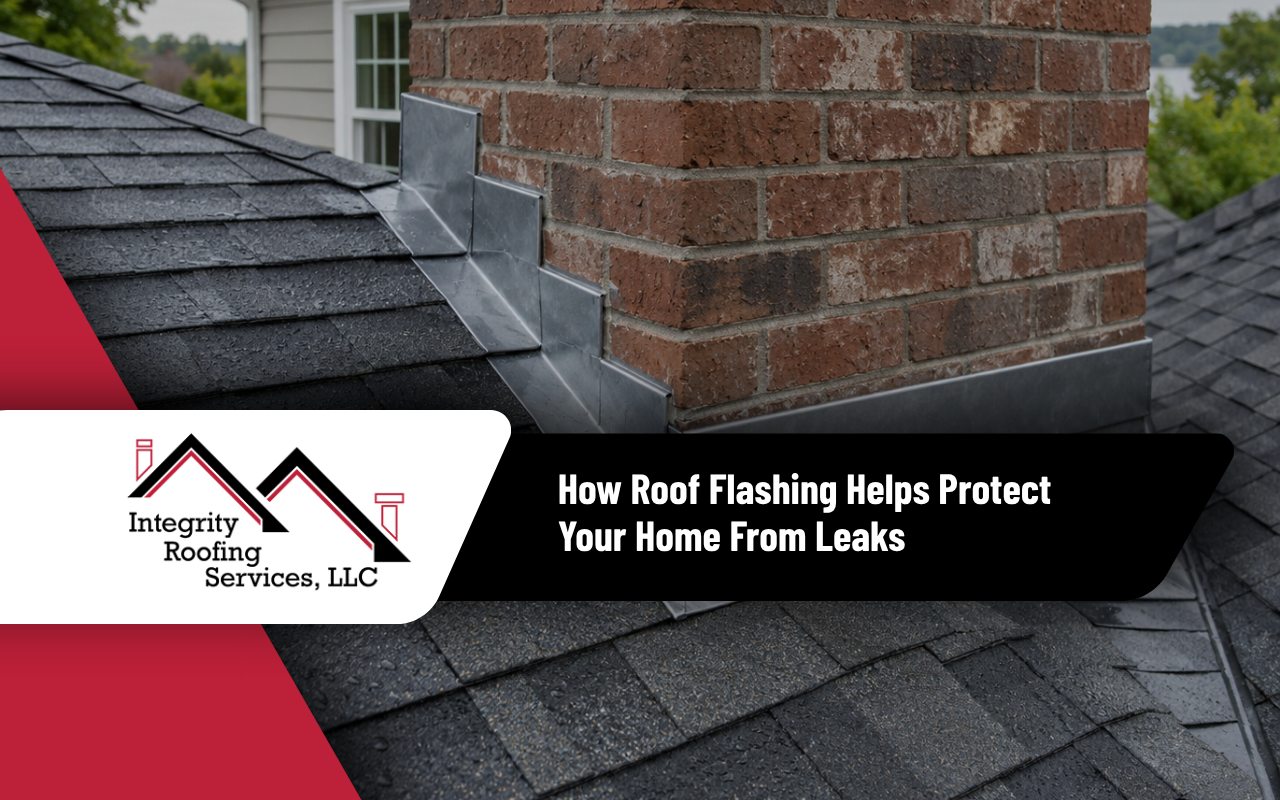
Roof flashing protects the places where water can enter most easily, including chimneys, valleys, vents, and skylights. At Integrity Roofing Services LLC, we use careful planning to help keep these areas sealed and ready for changing weather.
Even a small gap can lead to stains, damp wood, or indoor leaks. Choosing the right material and keeping it in good condition can protect your roof, reduce future damage, and support a safer home through every season.
Proper Flashing Matters for Lasting Roof Protection
Water often reaches the roof through joints and edges first. Roof flashing creates a barrier that guides rain and melting snow away from these weak points. Without good protection, moisture can move under shingles and damage the roof deck.
Regular checks also lower the chance of larger repairs. Our team at Integrity Roofing Services LLC can spot loose sections, worn sealant, and early signs of water entry before they become more serious or affect nearby materials.
Common Flashing Materials and Their Best Home Uses
Different materials work better in different settings. The right choice depends on weather, roof shape, and the area that needs protection. Common options include:
- Aluminum, which is light and resistant to rust.
- Galvanized steel, which is strong and widely used.
- Copper, which can last many years with proper care.
- Flexible materials for selected roof details and transitions.
For a broader view of roof condition, our roof inspection guide explains what to look for before small problems spread.
Critical Roof Areas That Need Careful Flashing Placement
Not every roof area uses the same flashing shape. Chimneys, valleys, sidewalls, skylights, and vent pipes all need details that fit the way water moves around them. Chimney flashing, for example, must seal both the roof surface and the chimney edge.
Correct flashing installation also depends on proper overlap. Each piece should guide water toward the outside instead of trapping it below shingles or near roof joints.
Warning Signs That Flashing May Need Prompt Repair
Early warning signs are often easy to miss from the ground. However, checking after storms can reveal problems before they grow. Watch for:
- Rust, cracks, or bent metal near roof joints.
- Loose sealant or visible gaps around edges.
- Water stains on ceilings, walls, or attic wood.
- Shingles lifting near chimneys, vents, or valleys.
When damage appears, roof flashing repair can stop moisture from reaching deeper roof layers. Our roof repair guide also explains when a small issue may need professional attention.
Smart Factors for Choosing Reliable Flashing Materials Today
Climate should guide your material choice. Homes near salty air may need metal that resists corrosion, while areas with strong temperature changes need materials that can handle expansion and movement. Roof pitch also affects how quickly water leaves the surface.
Appearance matters too, but function should come first. At Integrity Roofing Services LLC, we focus on materials and details that fit the roof design while helping water move away from vulnerable areas.
Safer Installation Steps That Support Better Leak Prevention
A clean, dry surface is important before any flashing installation begins. Old sealant, dirt, and damaged material should be removed so new pieces can sit flat and form a better seal.
- Measure the area carefully before cutting material.
- Use the correct overlap for shingles and roof edges.
- Fasten pieces with corrosion-resistant nails or screws.
- Apply sealant only where the roof detail requires it.
For ongoing care after installation, our Seattle roof maintenance guidance covers useful steps for keeping roof surfaces clear, checked, and better prepared for rain.
Frequently Asked Questions
How often should flashing be inspected?
We recommend checking it during regular roof inspections and after major storms. Early checks can reveal loose edges, rust, or worn sealant before leaks begin.
Can damaged flashing cause interior water stains?
Yes. Water can enter around roof joints and travel before it appears indoors. Stains on ceilings or walls may point to a flashing problem.
Is chimney flashing different from other flashing?
Yes. Chimney flashing usually uses several pieces to seal the roof-to-chimney connection and direct water away from the masonry edge.
When is roof flashing repair a good option?
Repair may work when damage is limited and nearby roofing materials are still in good shape. Larger damage may require replacement of the affected section.
Should homeowners install flashing by themselves?
Small repairs may look simple, but roof work involves fall risks and exact placement. Professional work can reduce mistakes and improve water protection.
Keep Your Roof Ready for Changing Weather Conditions
Good roof flashing is a small part of the roof, but it has an important job. Regular inspections, proper materials, and careful repairs help protect joints from water and reduce the chance of hidden damage.
When you need clear guidance, contact us through our roofing service contact page. We can review the problem and explain the next practical step for your home.