Roof Waterproofing Essentials for Better Protection From Rain
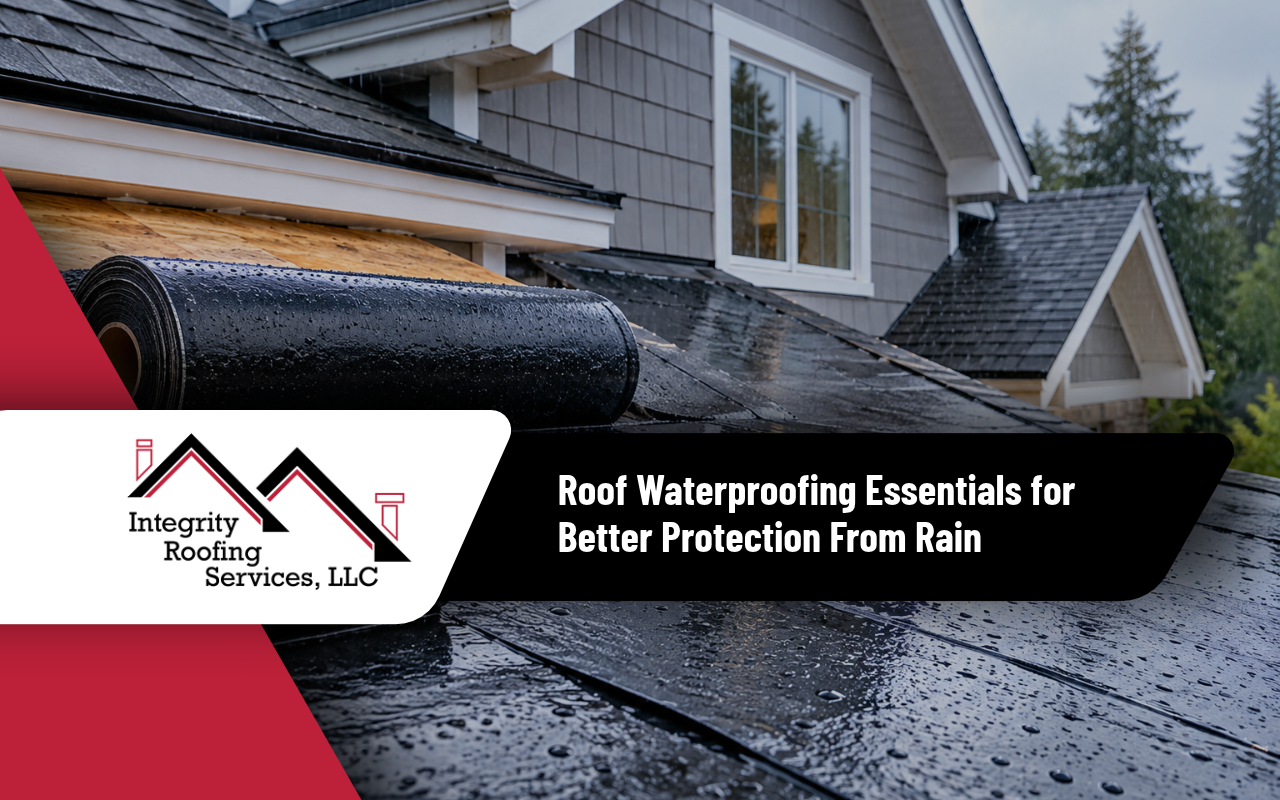
Roof waterproofing protects your home from rain, melting snow, and hidden moisture. Small openings can let water reach wood, insulation, walls, and ceilings. Over time, this damage can become harder to repair and affect indoor comfort.
At Integrity Roofing Services LLC, we focus on practical ways to keep roofs dry and strong. With the right materials, regular checks, and maintenance, homeowners can reduce leaks and protect their property.
Why Waterproof Protection Matters For Every Roofing System
Water can enter through cracked shingles, worn seals, damaged flashing, or roof joints. Once moisture gets inside, it may cause stains, soft wood, mold, and weak insulation. A waterproof layer helps stop water before it reaches these areas.
Dry insulation works better and helps your home stay comfortable. For added surface protection, our guide to roof coating protection explains how coatings can support long-term roof care.
Early Water Damage Signs You Should Never Ignore
Warning signs often appear inside before roof damage is visible outside. Dark ceiling marks, peeling paint, damp attic wood, and musty odors may point to a leak. Loose shingles or bent flashing can also let water enter.
- Look for stains on ceilings and upper walls.
- Check attic areas for mold or damp wood.
- Watch for missing, cracked, or lifted shingles.
- Notice musty smells after heavy rain.
Our roof inspection guide can help you understand what to check before small issues grow.
Choosing A Waterproof Membrane For Your Home Roof
A waterproof membrane should match your roof type, weather exposure, and surface condition. Some materials come in sheets, while others are applied as a liquid. Flexibility matters because roofing materials move as temperatures change.
When customers contact Integrity Roofing Services LLC, we explain which option fits the roof instead of using one solution for every property. Good material choice supports waterproof roofing and helps reduce cracks, weak seams, and early wear.
Common Roof Waterproofing Systems And Their Key Differences
Different systems work better for different surfaces. Liquid products can cover corners, seams, and unusual shapes with fewer joints. Sheet products create a thick layer that resists punctures when installed correctly.
- Liquid systems work well on detailed roof areas.
- Sheet systems give a strong, even barrier.
- Coatings can support older roof surfaces.
- Membranes need careful sealing around roof openings.
The right choice depends on slope, roof material, drainage, and maintenance needs.
DIY Waterproofing Versus Professional Roofing Service Decisions Today
Some homeowners consider DIY work for small, easy-to-reach repairs. However, waterproof roofing can fail when surfaces are not cleaned well or when seams, vents, and flashing are sealed incorrectly.
With Integrity Roofing Services LLC, you get guidance from a team that understands common leak points and installation details. Professional work may also include warranties, adding confidence when larger areas need protection.
Simple Maintenance Steps For Longer Waterproof Roof Performance
Regular care helps a waterproof membrane last longer. Debris can hold moisture, while blocked gutters may cause water to back up. Seasonal checks can help catch small issues before they spread. In addition, steady care supports roof waterproofing by keeping drainage paths clear and helping protective materials stay in better condition through changing seasons.
- Clear leaves and branches from roof surfaces.
- Keep gutters and downspouts open.
- Replace damaged shingles when they appear.
- Trim branches that can scrape or fall.
- Repair small cracks before heavy rain arrives.
For local care support, review our Seattle roof maintenance information for more ways to protect roofing systems through the year.
Frequently Asked Questions
How often should a roof be checked?
A roof should usually be checked at least twice each year and after strong storms. Regular checks help spot damage, blocked drainage, and worn materials before larger leaks develop.
Can waterproofing stop every roof leak?
Roof waterproofing can lower leak risk, but damaged decking, poor flashing, or structural problems may need repair first. The roof should be in good condition before waterproofing materials are applied. Repairs completed first can also help the protective layer bond correctly and last longer.
Which waterproof membrane works best for homes?
The best option depends on the roof surface, slope, weather, and existing materials. Some homes suit liquid products, while others need sheet membranes with sealed seams.
Is waterproof roofing useful in rainy climates?
Yes. Waterproof roofing is useful where roofs face frequent rain or long wet seasons. It adds protection and can reduce moisture damage with good drainage.
Can waterproof materials support energy efficiency?
Yes. Keeping insulation dry helps it work as intended. Some roof coatings also reflect heat and may reduce indoor heat gain.
Keep Your Roof Dry With Long-Term Home Protection
A strong roof depends on good materials, early repairs, and maintenance. Roof waterproofing is most effective when homeowners address damage first and choose products that match the roof design and local weather.
Our team at Integrity Roofing Services LLC can help you understand the next step for your property. If you are concerned about leaks or moisture, talk with our roofing team for clear guidance on protecting your roof.
Need Help With Your Roofing Project?
Contact Integrity Roofing Services LLC today for expert guidance and dependable roofing services across Greater Western Washington.