Roof Decking Options That Add Strength and Reliability
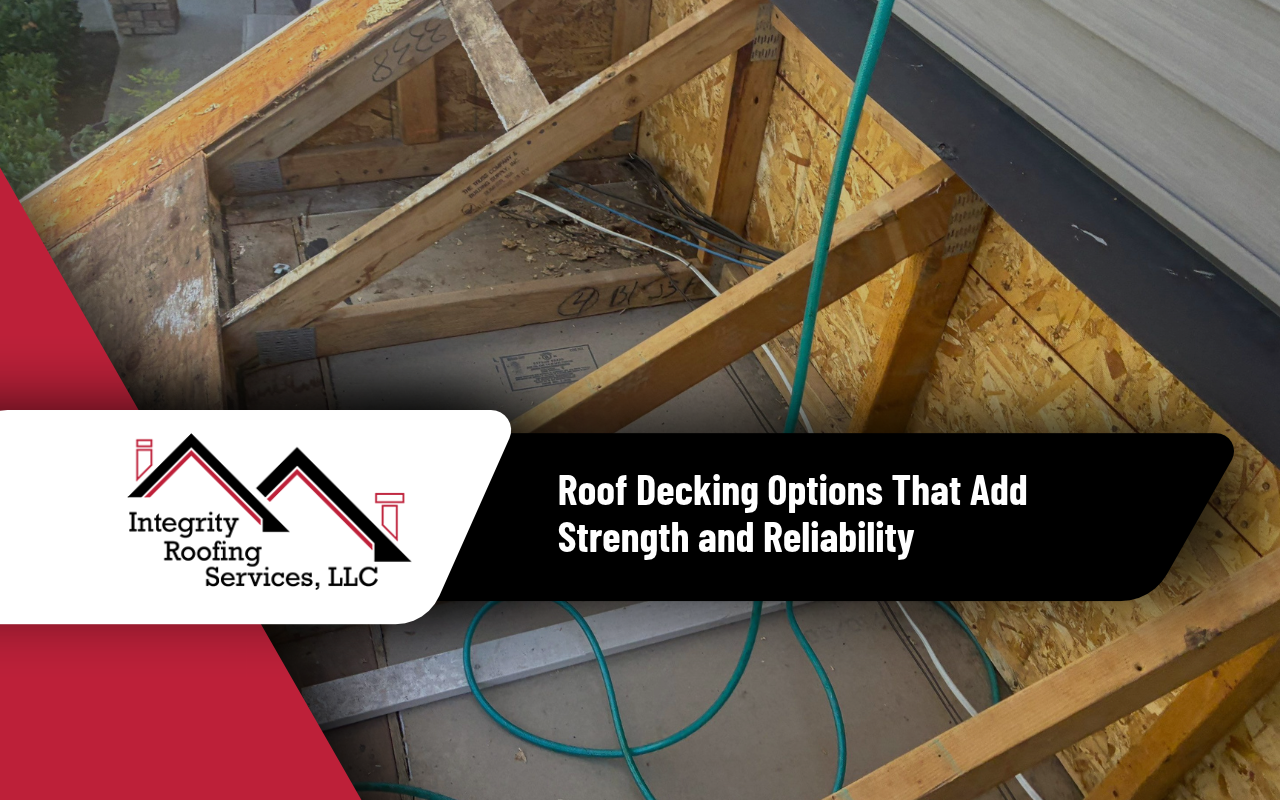
Roof decking can do much more than support the materials above your home. With smart planning, it can improve strength, comfort, and long-term roof performance while helping homeowners make better use of the full roofing system.
At Integrity Roofing Services LLC, we look at each roof as a complete system. That means considering the roof deck, moisture control, materials, and installation details together so the structure works safely and lasts longer.
A Strong Roof Base Supports More Than Materials
A solid base gives shingles and other roofing materials the support they need. Roof decking also helps spread weight across the structure, creating a stable surface that works with framing, underlayment, and other roof parts.
Because hidden damage can affect performance, a professional roof inspection can reveal weak areas before they become larger problems. Early checks can also help homeowners plan repairs with less stress.
Roof Sheathing Creates Strength Beneath Your Roof System
Roof sheathing connects the framing below with the roofing layers above. It gives the system a firm surface and helps keep materials in place during wind, rain, and changing weather.
Common materials include plywood and oriented strand board. The right choice depends on the home, local conditions, and the full roofing plan. Good installation also matters because gaps, moisture, or weak fasteners can reduce long-term strength.
Smart Material Choices Improve Long-Term Roof Performance Over Time
Choosing materials carefully can help protect the roof deck from moisture and early wear. Plywood roofing is a common option because it provides a flat, dependable base when installed and sealed correctly.
- Use exterior-grade panels made for roofing conditions.
- Replace soft, swollen, or damaged sections before installation.
- Keep seams and fastening points secure and even.
Our team at Integrity Roofing Services LLC also checks how each layer works together. This approach supports safer installation and reduces the chance of hidden problems under finished roofing materials.
Proper Installation Helps Prevent Moisture And Structural Damage
Even strong materials can fail when water gets below the surface. For that reason, correct spacing, secure fasteners, underlayment, and flashing all play important roles in protecting roof decking from moisture.
Homeowners planning a larger project can review our roof installation process to see how the roof deck fits into the complete system. Careful preparation helps create better results from the start.
Regular Roof Checks Protect Decking From Hidden Problems
Small signs of trouble may appear before major damage develops. Stains, soft spots, sagging areas, or repeated leaks can point to problems below the visible roof surface.
- Watch ceilings and attic areas for moisture marks.
- Check for sagging sections along the roof line.
- Schedule inspections after strong winds or heavy storms.
When roof decking stays dry and well supported, the full system has a better chance to perform as intended. Regular checks also make it easier to catch damage before repairs become more complex.
Replacement Planning Keeps Roofing Projects Safe And Efficient
Sometimes damaged decking must be replaced before new roofing materials can be installed. Removing weak sections creates a stable base and helps prevent new materials from being placed over hidden damage.
For homeowners considering roof replacement options in Bellevue, understanding the condition of the roof deck is an important step. It can affect material needs, project planning, and the final roofing result.
- Confirm damaged areas before new materials are added.
- Use compatible panels that match the roofing system.
- Protect exposed areas from rain during replacement work.
Frequently Asked Questions
What is the main purpose of a roof deck?
The roof deck creates the base that supports underlayment and finished roofing materials. It also connects roofing layers to the framing below, helping the whole system stay stable and secure.
How can I tell if decking is damaged?
Common signs include soft spots, sagging, leaks, attic moisture, or visible panel damage. A full inspection is the best way to confirm the condition.
Can damaged sheathing stay under a new roof?
Damaged roof sheathing should usually be repaired or replaced before new materials are installed. Leaving weak sections in place can reduce support and allow moisture problems to continue.
Is plywood suitable for most roofing projects?
Plywood roofing can work well when the correct grade, thickness, and installation method are used. The best choice depends on the roof structure and project needs.
How often should roof decking be checked?
It is wise to inspect the roofing system regularly and after severe weather. If you notice leaks, sagging, or indoor stains, arrange a professional check sooner.
Build A Stronger Roof With Better Planning Today
A reliable roof starts with a solid base. Good materials, correct installation, moisture protection, and regular checks all help roof decking support the rest of the roofing system for years.
At Integrity Roofing Services LLC, you can get clear guidance based on your roof’s condition and project needs. If you are concerned about hidden damage or planning an upgrade, reach our roofing team to discuss the next step.
Need Help With Your Roofing Project?
Contact Integrity Roofing Services LLC today for expert guidance and dependable roofing services across Greater Western Washington.