How Roof Underlayment Supports a Stronger Roofing System
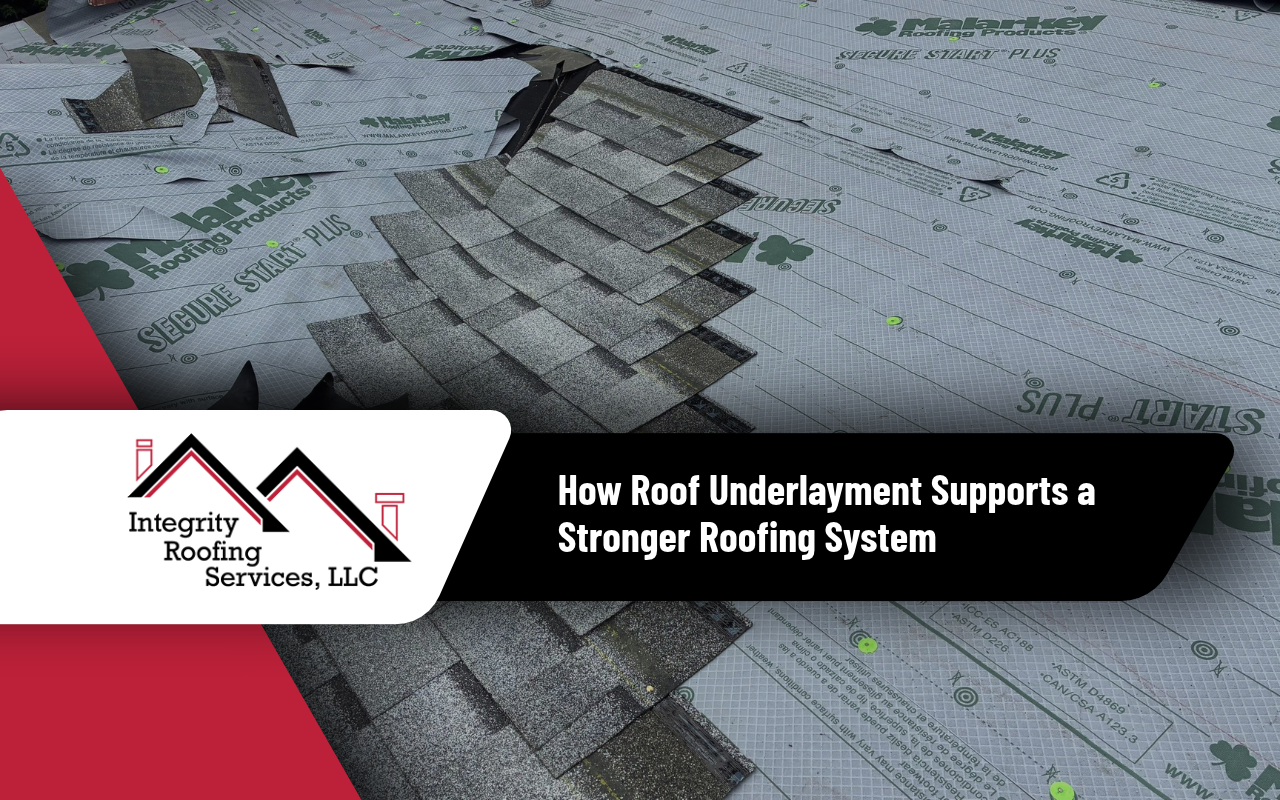
Roof underlayment is the hidden layer beneath shingles that gives your home added protection from rain, wind, and changing weather. At Integrity Roofing Services LLC, we use this layer as part of a complete roofing system designed to keep the roof deck safer and reduce moisture problems.
Because shingles can loosen, crack, or lift over time, this extra barrier matters. It helps control water that reaches beneath the outer roof surface and supports better long-term performance through every season. A well-chosen roof underlayment also gives the roof deck added support when sudden storms test the outer covering.
Underlayment Matters for Everyday Home Roof Protection
A reliable roofing underlayment creates a second layer between the roof deck and the shingles. If water passes through the outer roof covering, this barrier helps guide moisture away before it reaches the wood below.
It can also support comfort inside the home by adding another layer against weather changes. For homeowners planning a roof installation project, understanding this hidden layer can make it easier to choose materials that fit the home and local conditions.
Common Underlayment Materials and Their Main Practical Differences
Different materials offer different levels of strength, water resistance, and ease of use. Traditional felt has been used for many years, while newer synthetic products are lighter and often resist tearing better during installation.
- Asphalt felt gives basic water resistance and familiar performance.
- Synthetic underlayment is lightweight, strong, and easy to handle.
- Rubberized options create stronger seals in areas with more moisture risk.
Synthetic Materials Add Strength With Easier Roof Installation
Synthetic underlayment is popular because it is light, durable, and less likely to tear during roofing work. It can also resist exposure to sunlight for longer periods than some felt products, which may help when a roofing project takes several days.
Our team at Integrity Roofing Services LLC considers roof design, weather exposure, and the final roofing material before selecting an underlayment. Homeowners comparing surfaces can also review our guide to asphalt shingle roofing for added context.
Waterproof Layers Help Block Moisture in Vulnerable Areas
A waterproof underlayment forms a tighter seal than standard felt and can be useful where water tends to collect or move under shingles. Valleys, eaves, and other exposed roof areas often need stronger protection from heavy rain or wind-driven moisture.
- Sealed surfaces help stop water from reaching the roof deck.
- Peel-and-stick products fit closely around many roof details.
- Extra coverage can reduce risk near edges, valleys, and low areas.
Climate and Roof Design Shape Material Selection Choices
Weather should guide the choice of roof underlayment. Homes in wet areas may need stronger moisture protection, while roofs exposed to long periods of sun can benefit from materials made to handle heat and UV exposure.
Roof shape matters too. Steep slopes, dormers, and valleys can place more stress on the protective layer. When customers contact Integrity Roofing Services LLC, we review these details so the selected material matches the roof instead of using one option for every home.
Careful Installation Supports Better Long-Term Roof System Performance
Good installation begins with a clean, dry roof deck. The surface should be free from loose debris, raised nails, and damaged wood before the material is rolled into place. Proper overlap also helps keep water from moving through seams.
- Measure the roof area before cutting each section.
- Follow product directions for fasteners and overlap spacing.
- Remove wrinkles and gaps before installing shingles above.
For local service details, homeowners can review our Seattle roof replacement services and see how complete roof systems are planned.
Frequently Asked Questions
What does an underlayment layer do beneath shingles?
It adds a second barrier that helps protect the roof deck when water gets past the outer roofing material.
How long can roofing underlayment protect a roof?
Its service life depends on the material, installation quality, weather, and the condition of the roof above it.
Is synthetic material better than traditional felt products?
Synthetic products often resist tearing better and weigh less, while felt remains a familiar choice for many roofing systems.
Where is waterproof material most useful on roofs?
It is often used near valleys, eaves, edges, and other places where water can collect or move under shingles.
Can damaged underlayment cause leaks inside homes?
Yes. If this layer fails, water can reach the roof deck and may later appear as stains, damp wood, or interior leaks.
Stronger Underlayment Choices Support Lasting Home Weather Protection
Choosing the right roof underlayment can help extend roof life and reduce the chance of moisture damage. Regular inspections also make it easier to spot weak areas before they become larger problems.
At Integrity Roofing Services LLC, you get clear guidance based on your roof, weather exposure, and material needs. Clear planning can also reduce surprises during future repair or replacement work. If you are planning repairs or replacement, connect with us to discuss the next step for your home.
Need Help With Your Roofing Project?
Contact Integrity Roofing Services LLC today for expert guidance and dependable roofing services across Greater Western Washington.